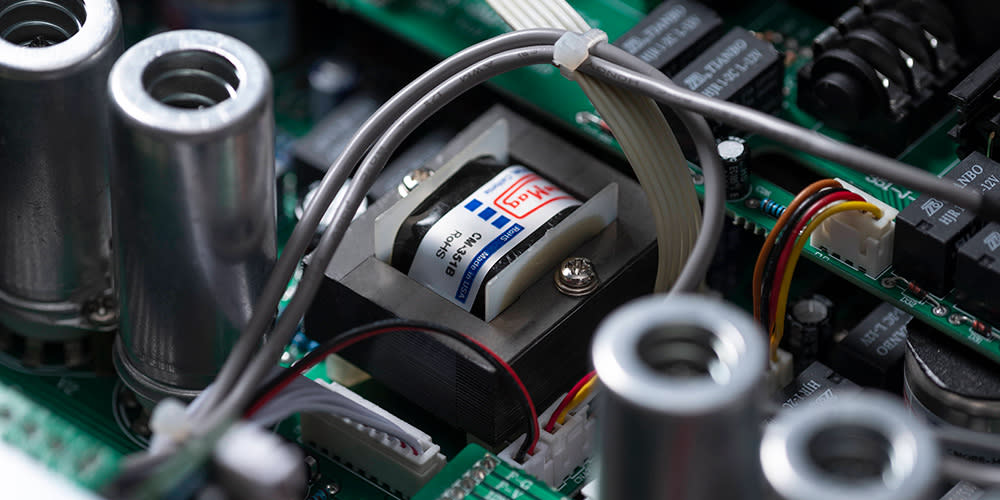
What to know when choosing your gear
It’s no secret that Bryce Young, the founder of Warm Audio, is obsessed with components. Back in his days of tinkering with circuits in his garage, Bryce discovered that finding the right component with the right sonic characteristics to perform a specific function within a circuit made a HUGE difference on the ultimate result.
Not a small difference: components can make or break the quality of the audio you put through your gear.
In this article, we will cover some of the frequently bragged-about components you read about in product specs and are highly debated on the forums. These components perform key functions within the circuits of your music gear like amplification, switching, isolation, and signal modification - or sometimes multiple functions.
Which components are critical and what do they actually do to help your sound? Let's find out!
Transformers
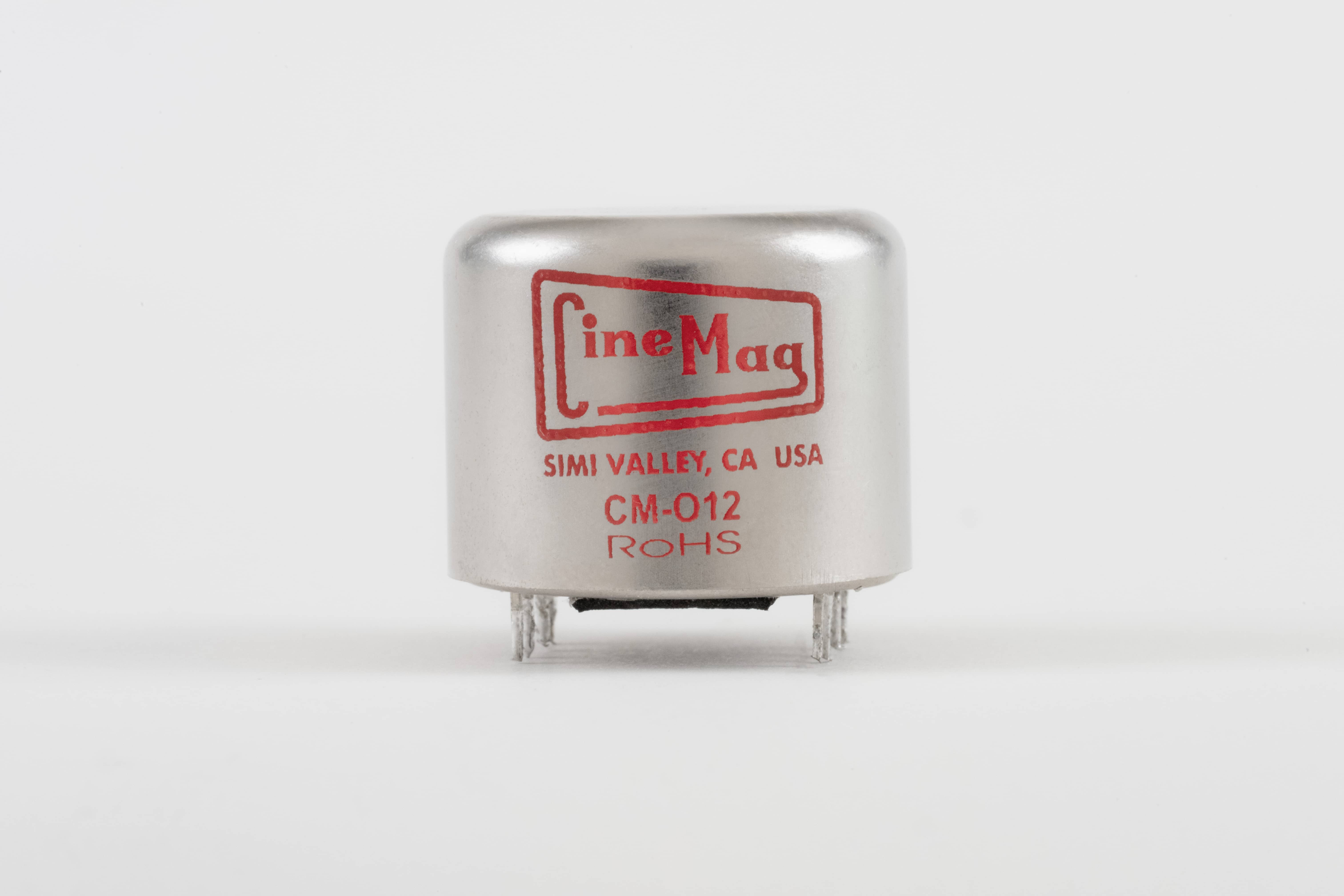
What they do: Transformers might be the “secret weapon” of high-end professional audio gear. Mic preamps from the earliest console days relied on custom-spec’d input and output transformers on every channel to deliver the legendary sound that we all associate with those boards. Input and output transformers provide a galvanic isolation to the rest of the audio chain, lower sensitivity to hum and RF (radio frequency) interferences, and also handle impedance matching. In real-world speak - they reduce noise from internal circuitry and outside interference, and they help the preamp better-handle various mics and input sources. Not limited to preamps or outboard such as compressors and EQs, transformers can be found in microphones, guitar amps, DI boxes and much more.
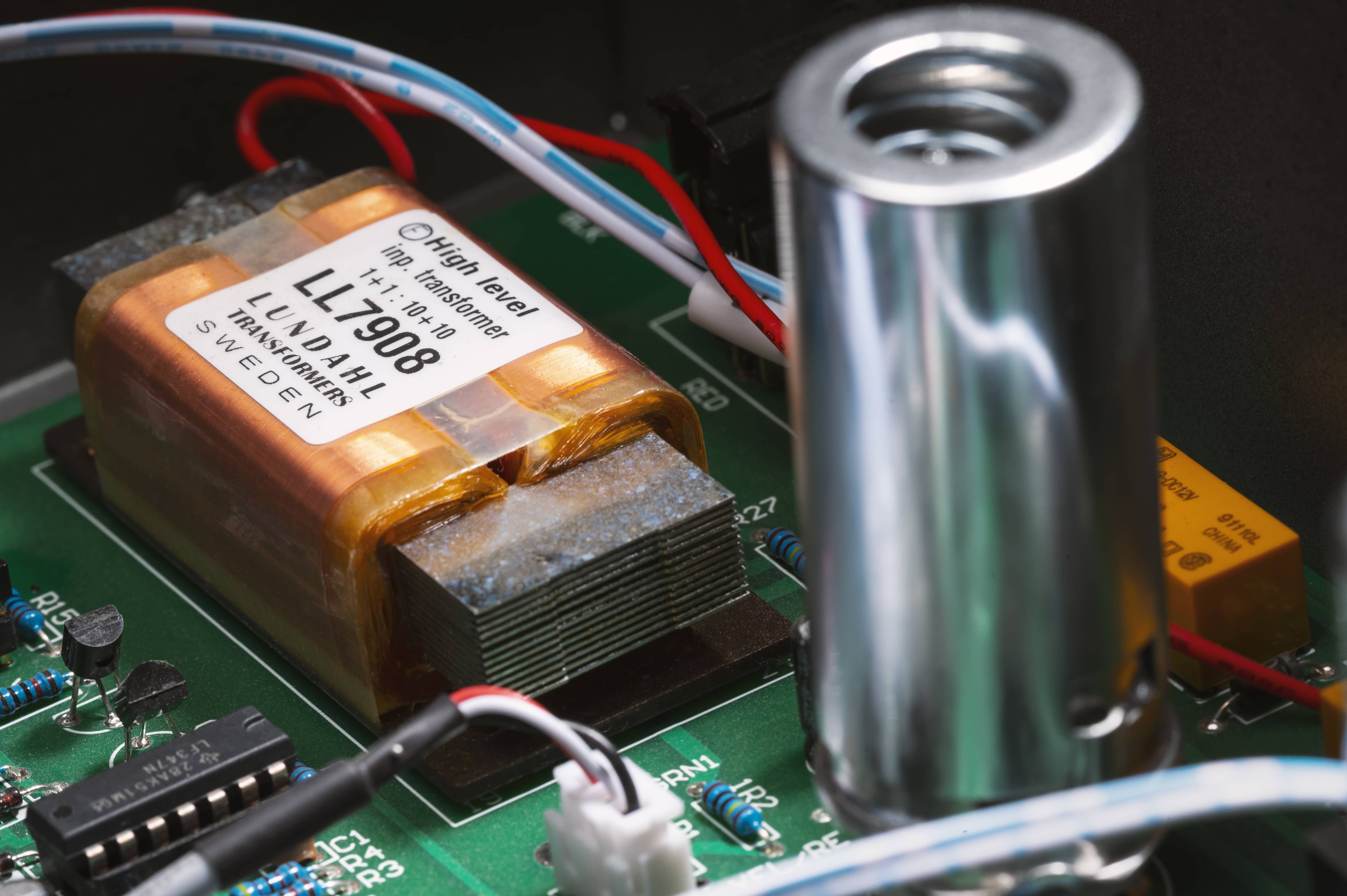
How they impact your sound: Transformers can be custom configured to provide specific amounts of clean or harmonic gain depending on the circuit. Transformers can be designed to deliver both clean signals with high articulation, or more harmonic distortion with added warmth and color.
What you should look for: Not all transformers are created equal. Many of the most lauded transformer manufacturers, like CineMag (USA), Carnhill (UK), Lundahl (Sweden), and many more have been laminating premium metal for over 50 years and make up a great deal of the historical sound of our favorite consoles and signal processors. The manufacturers known for their transformer production are still celebrated today, and still used by leading brands like Neve, API, Universal Audio, Focusrite, and many more. Those same transformers are used in products like the WA73 series of preamps, WA12 preamps, WA76-A & WA76-D series of compressors, and the WA-1B - just to name a few. The art and science of transformer manufacturing, including quality materials sourcing, is not easy to replicate.
The bottom line on signal transformers? Transformer-balanced analog audio gear delivers a reduced noise floor with more headroom, and added tone in the form of smoother audio with less artificial and thin sounds. Transformers provide a clearer and mote true expression of what you are trying to record without noisy distractions.
Tubes
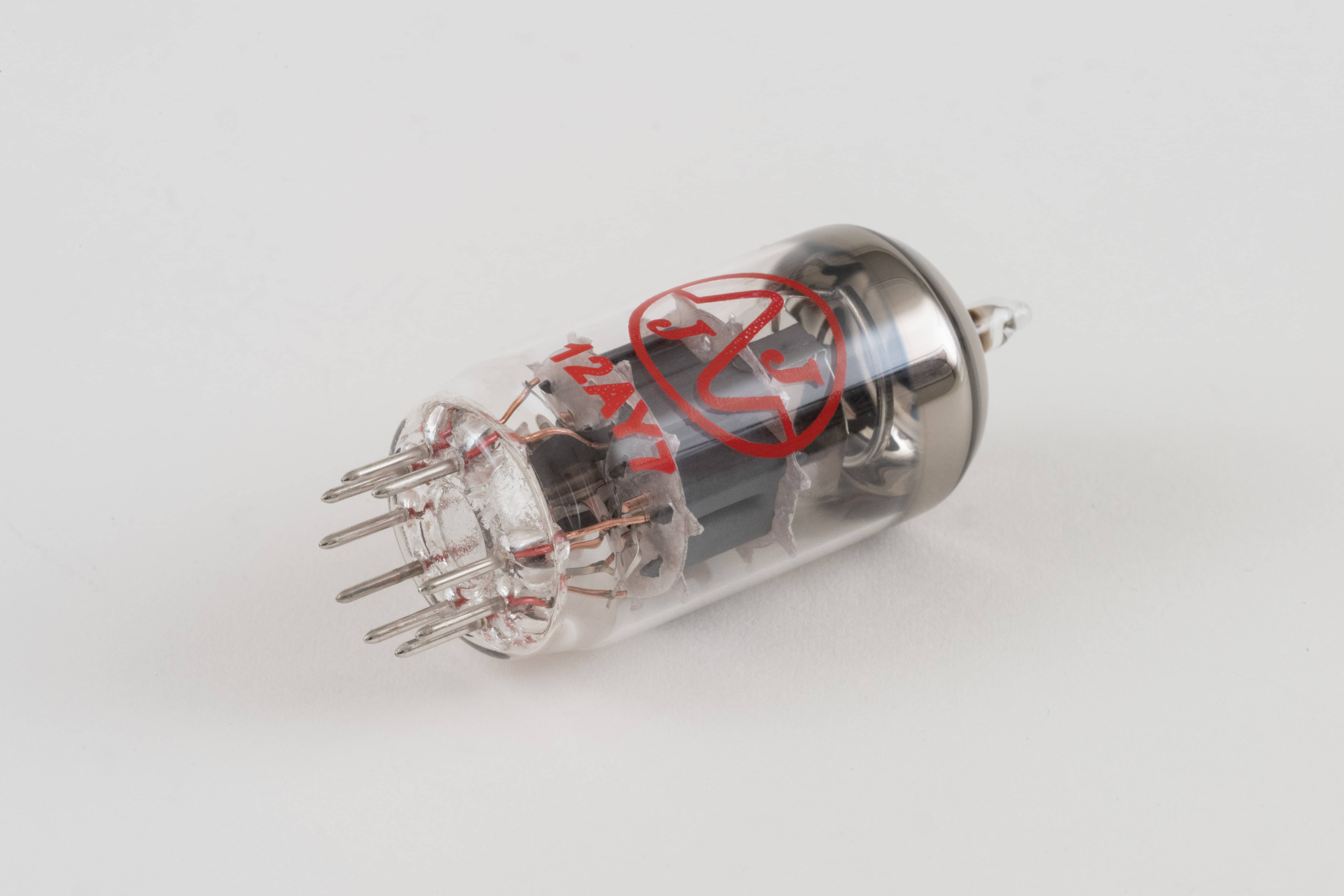
Think of vacuum tubes (also called “valves”) as one of the original ways we shaped and boosted sound before modern electronics took over. They’re a big reason people describe certain gear as sounding “warm” or “vintage.”
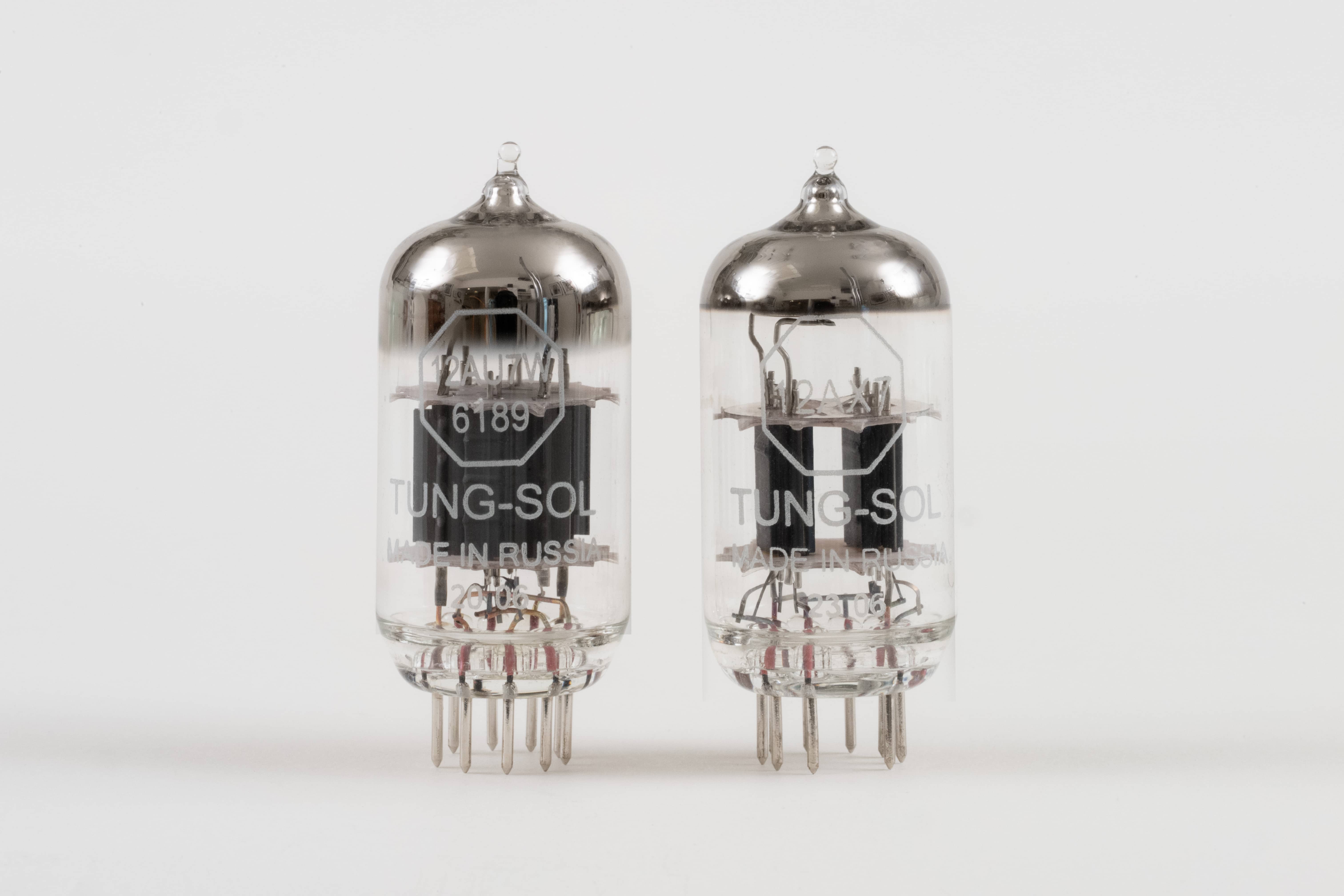
At a basic level, tubes are used to make signals louder. When you sing into a mic or play a guitar, the signal starts out very small. Some tubes, like the vaunted 6072A / 12AY7 are used early in the chain to gently boost that signal so it’s usable. 12AY7 & 6072A-style tubes are used in Warm Mics including the WA-CX12 and WA-251 and in the most celebrated vintage ELA M and C12 mics. Other tubes (like EL34s or 6V6s) take that boosted signal and make it strong enough to power speakers—this is what happens inside a guitar amp.
What makes tubes special, and why people still love them, is how they handle sound when things get loud. Instead of staying perfectly clean, tubes start to bend and shape the signal in a smooth, musical way. This creates subtle distortion and what people call “natural compression,” where loud sounds get slightly softened and quieter sounds come up a bit. The result feels more alive, expressive, and forgiving compared to super-clean digital or solid-state gear.
Another interesting thing is that no two tubes are exactly the same. Even tubes made to the same spec can sound a little different, which is why some older “new old stock” tubes are so sought after (and expensive). Those tiny imperfections add character our ears enjoy.
You’ll find tubes in things like microphones, mic preamps, guitar amps, and compressors—anywhere you might want a bit of personality in the sound. And if you ever swap tubes in a piece of gear, just make sure you know what you’re doing—they run at high voltages and need to be handled carefully.
Grab-Bag: Capacitors, Resistors, Op-Amps, Oh-My!
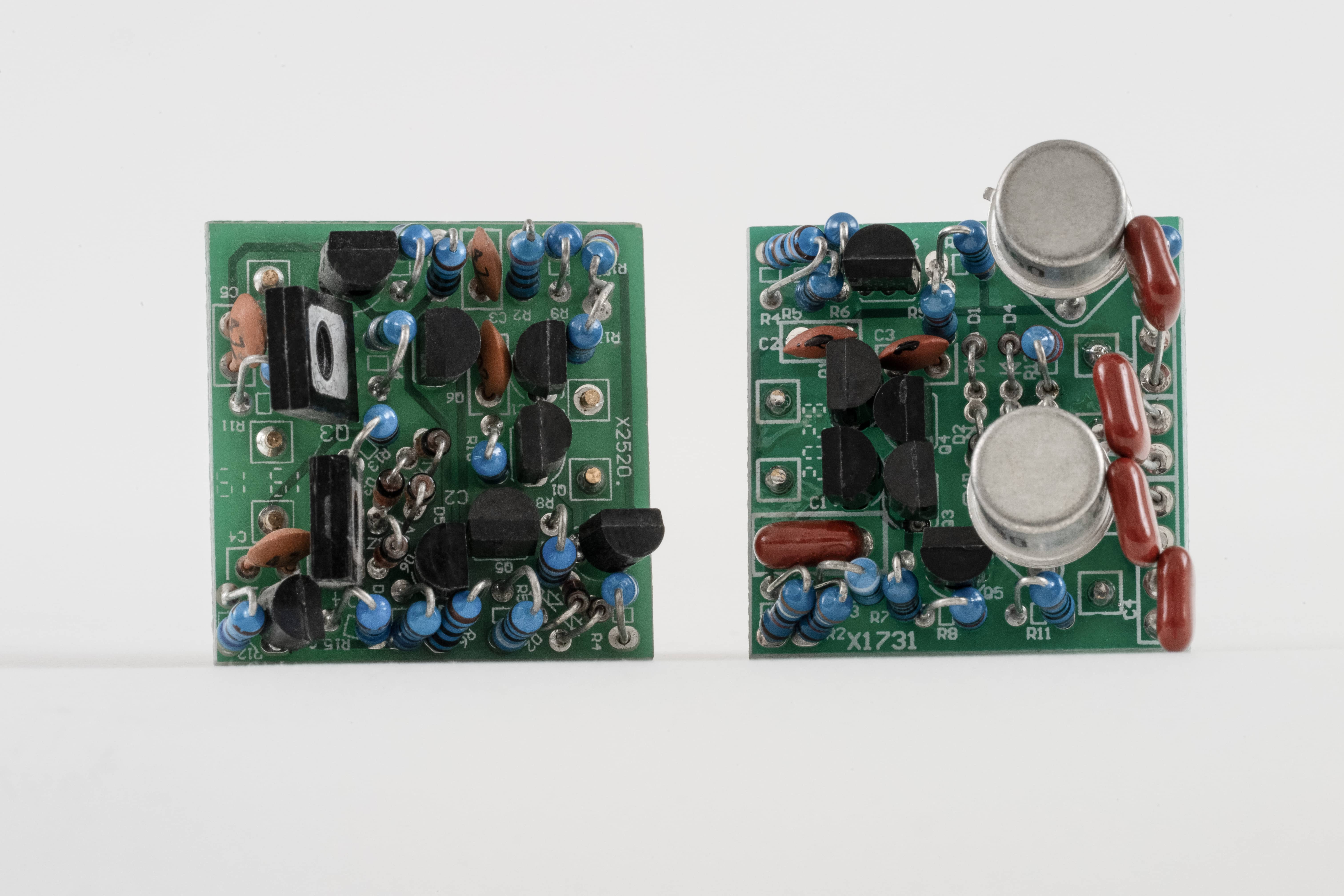
Let’s do a quick-fire on some of the smaller components that drive highly sought-after circuits in the pro audio and guitar world! Here’s what you need to know: these small components are the building blocks that shape how your gear sounds, not just how it works.
Capacitors help shape tone and control what frequencies you hear (like tightening low end or smoothing highs).
Resistors help control levels and how hard a signal is pushed, which affects clarity and feel.
Chip Op-Amps are clean, modern amplifiers that boost your signal without adding much character.
FETs are often used for smooth, natural-sounding gain and can feel more “musical” or responsive.
Transistors are the backbone of many circuits, used for boosting and controlling signals in different ways.
Diodes shape how signals clip or distort, which directly affects grit, saturation, and dynamics.
Why you should care: All of these parts influence whether something sounds clean, warm, punchy, smooth, aggressive, or sterile. When a brand calls out its components, it’s not just listing specs, it’s a signal that care was taken in how the gear was built. It reflects the level of craftsmanship behind how it will feel, respond, and ultimately sound.
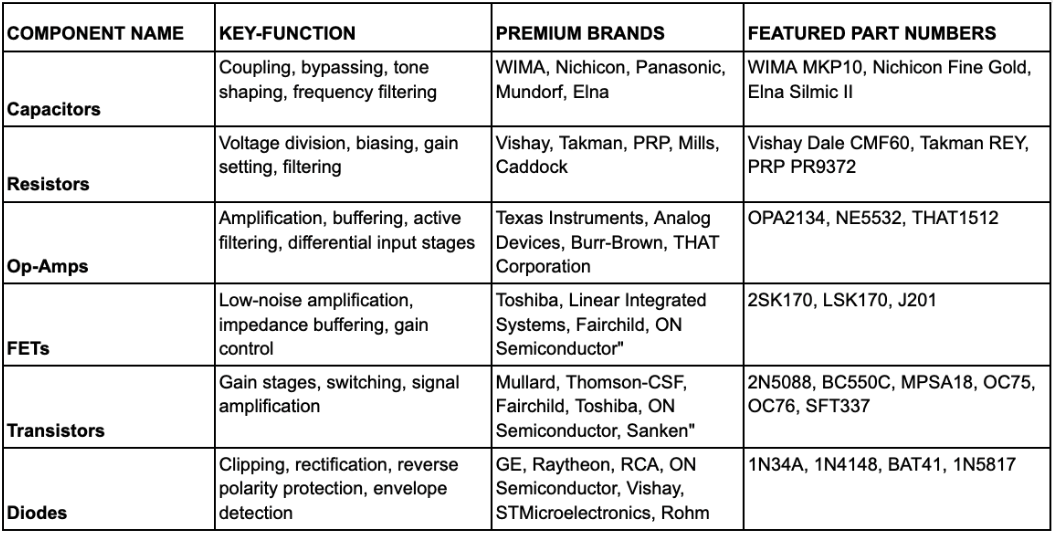
Below is a cheat sheet for other critical components commonly found in pro audio gear circuits, and some trusted manufacturers of those components. These components will be found in: Vintage FET Large-Diaphragm Condensers, Vintage Console Preamps, FET Compressors, Overdrive Pedals & More.
Be on the lookout for these:
Specialty
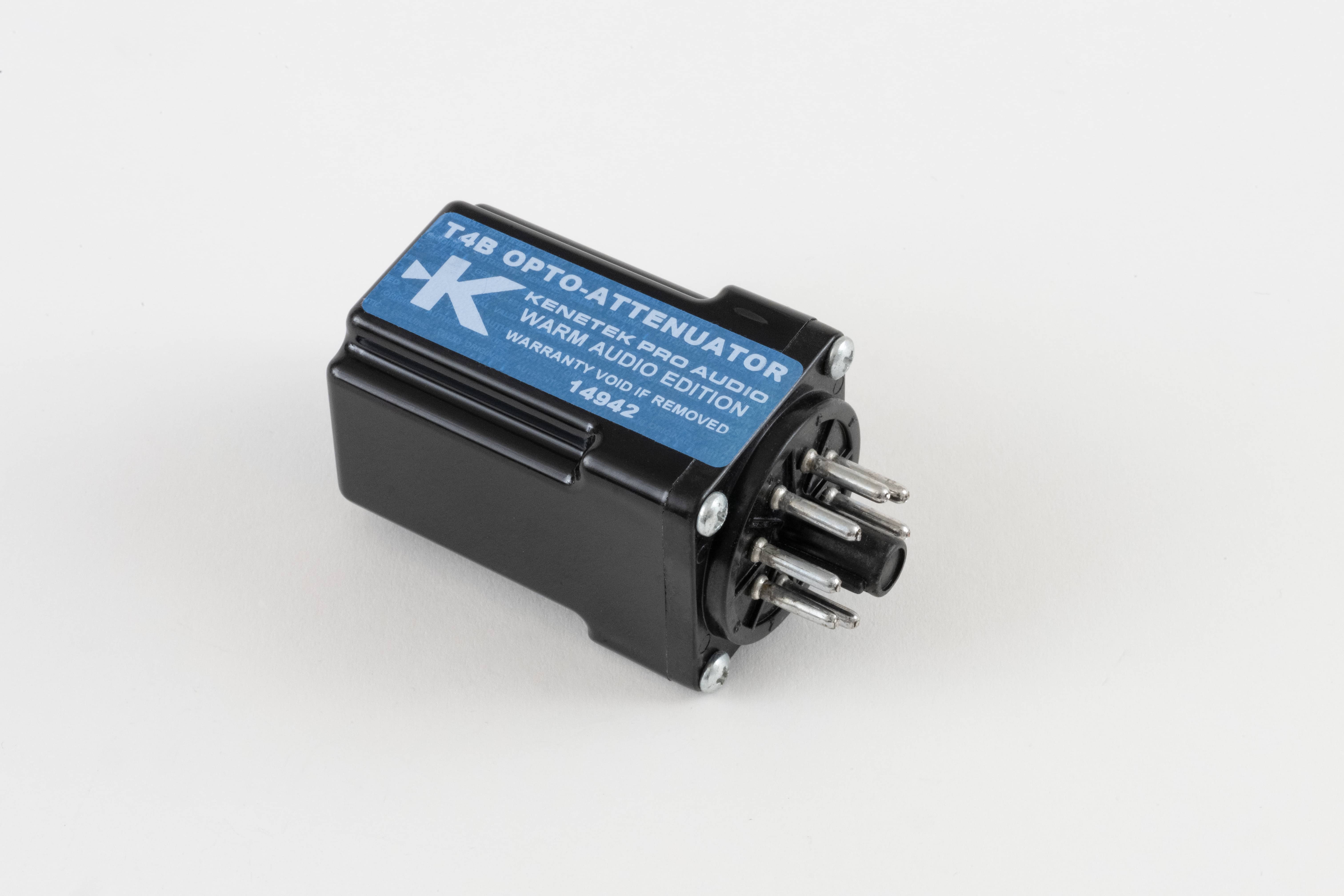
Some components are unique to a very select number of products. Optical Cells (opto cell for short) are light-dependent control elements used to modulate gain, commonly found in compressors, noise gates, and some analog effects. Very recognizable pro audio compressors leverage Opto Cells as well as unique pedals, like vintage 70s-era electro-optical phasers.
Optical cells in audio gear, like compressors, use light to control the signal's dynamics. They typically consist of a light source (LED) and a light-sensitive component (photoresistor). When the audio signal level increases, the LED brightens, altering the resistance of the photoresistor. This change affects the compression effect, gently reducing the signal level. Optical compressors are valued for their smooth, natural response, often resulting in a more musical and less aggressive compression compared to other components like FETs and VCAs.
Like all components, opto cells can be mass-manufactured to meet a vaguely defined OEM spec, but the experts in opto cell manufacturing reach a standard that is easily discernable when compared to inferior components. The Kenetek T4B is the best example of meticulous manufacrtuing and quality control processes for opto cell units used in pro audio gear. The same T4B unit used in the WA-2A compressor is used in the most authentic (and expensive!) versions today, and is the only drop-in replacement to reproduce the original 2A sound.
The Legacy Of Quality Components
Like so many things, folks are always asking for things to be built “how they used to” which often reflects the build quality and standards of yesteryear. When considering investing in gear for making music, component choice matters. Choosing gear with vintage-accurate components from the most respected manufacturers ensures your signal isn’t just passing through a circuit, it’s being treated with the same care that shaped the sounds we still chase today.
If you want to be confident that the gear you are considering has quality components, looking for products that name, display, and celebrate their component manufacturers is a great place to start. Components certainly don’t make audio sound better all on their own. And, of course, components alone don’t make great recordings. Your ears, your performance, and how you use the gear will always matter most. But starting with gear built with quality components puts you on solid ground, giving you a foundation that’s capable of delivering the kind of sound that made you want to create music in the first place.